Plumbing & mechanical service
Underground & Excavation
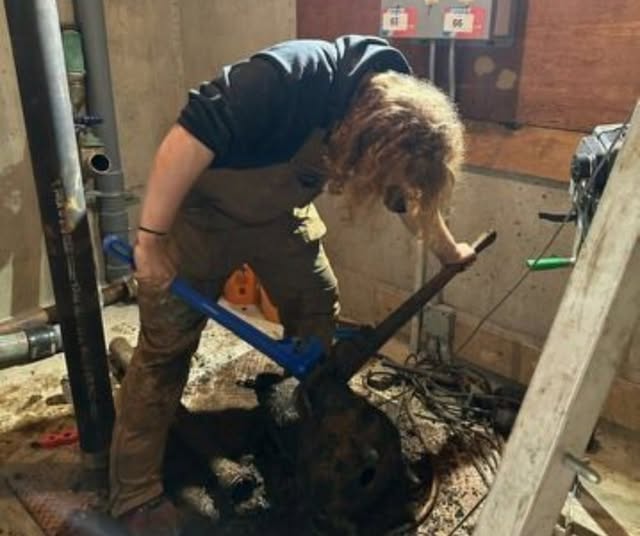
When surface or trenchless repairs are not viable, excavation is planned carefully around the failed service and site conditions.
Service areaMetro VancouverForHomes · Strata · Property managers
Start with the problem.
Leave with a clear next step.We assess before recommending work, explain the scope in plain language, and document what was done.When this service may be needed
Start with what you are seeing.
Symptoms help establish urgency and the right investigation path. They do not, by themselves, confirm the failed component.
Repeated surface repairs have not resolved the condition
Repair requires physical access to water, sewer, or drainage piping
How the work moves forward
From reported symptom to defined next step.
- 01Confirm the failed service and narrow the repair area
- 02Review utilities, access, ground conditions, and restoration needs
- 03Plan safe excavation, shoring, shutdown, and material handling
- 04Expose, repair, test, backfill, and coordinate restoration
What the service is for
A repair decision grounded in observed conditions.
Excavation should be targeted, not exploratory by default. Good planning connects diagnostic evidence with utility information, safe access, the repair method, testing, backfill, and restoration responsibilities.
What can change the scope
Access and hidden conditions matter.
Actual underground conditions can differ from records. Unknown utilities, depth, soil, groundwater, concrete, contamination, roots, access, and failed-pipe extent can change the approved scope.
Core service capabilities
Buried water-line access
Sewer and drainage repairs
Targeted excavation
Site restoration coordination
Common questions
Useful answers before you call.
Is excavation always the first option?+
No. Investigation should establish whether cleaning, lining, localized access, trenchless work, or another repair is viable before open excavation is selected.
Who restores landscaping or concrete?+
Restoration responsibility should be defined in the approved scope. It may be completed by Pure Mechanical, coordinated with another contractor, or retained by the owner.
Will other utilities be located first?+
Utility information and safe-dig requirements form part of planning, but private services and inaccurate records can require additional locating or careful exposure.
Request service
Let’s assess the
problem properly.
Tell us what you are seeing. We’ll help you understand the right next step.
Start your request →Or call 604 496 1661